Advanced Solutions in Mechanical Systems: Complete Services for Contemporary Industries
Innovative solutions in mechanical technologies are redefining present-day industrial sectors. These innovations concentrate on maximizing production output while tackling industry obstacles. Automation, robotics, and real-time analytics play pivotal roles in this ongoing evolution. As organizations pursue efficiency and sustainability, the incorporation of sophisticated materials and approaches becomes essential. The consequences of these innovations are far-reaching, prompting a closer examination of their role in shaping design and operational strategies. Which innovative trends will chart the course for the future of mechanical systems?
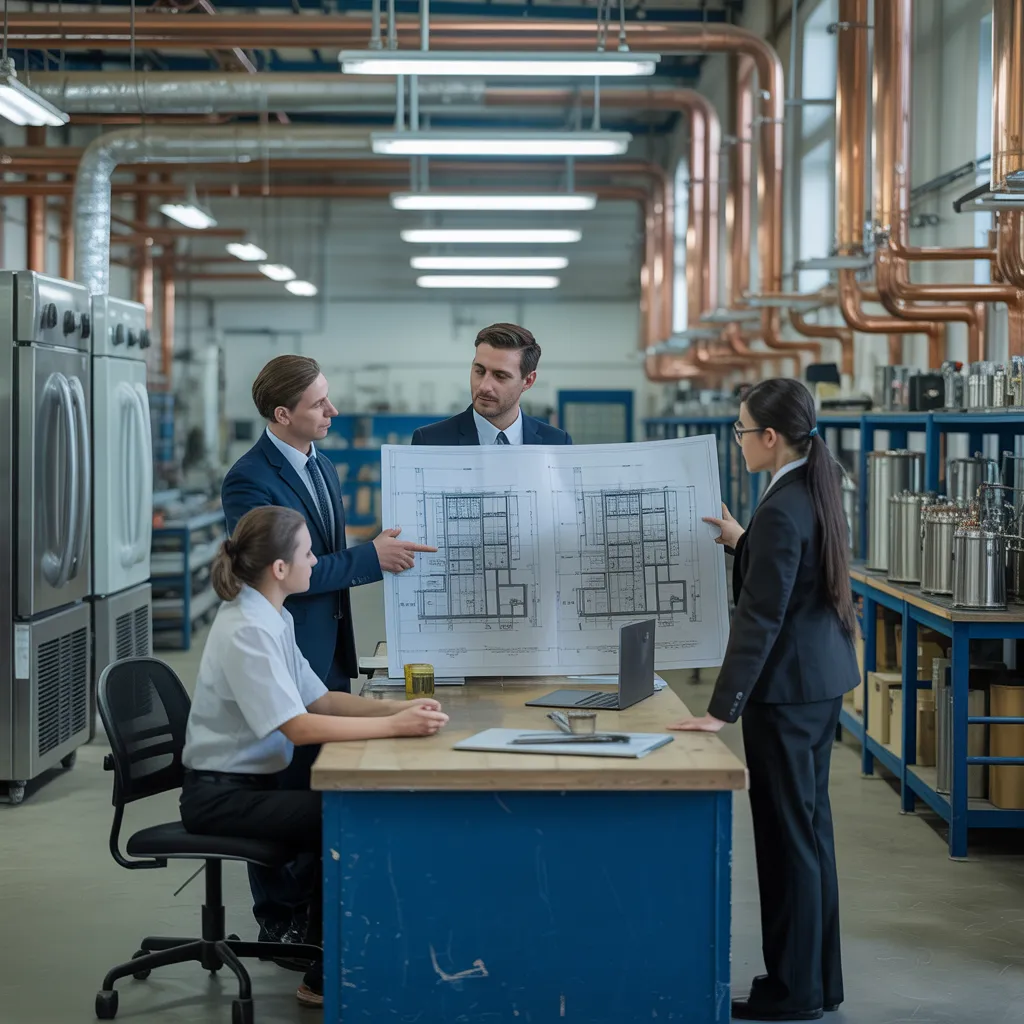
The Importance of Mechanical Systems in Contemporary Industries
At a time when efficiency and innovation are essential, mechanical systems hold a fundamental place in modern industrial sectors. Such systems incorporate a broad spectrum of technologies, including automation, robotics, and various machinery, all engineered to boost productivity. In manufacturing, mechanical systems streamline operations, minimize human error, and improve resource allocation. Their incorporation supports the accelerated production of goods, enabling companies to adapt quickly to market demands.
Additionally, mechanical systems make a notable contribution to the dependability and maintenance of industrial processes. Predictive maintenance techniques, supported by cutting-edge sensors and data analysis, assure machinery functions at optimal levels, limiting periods of inactivity. Such dependability is essential in industries including automotive, energy, and aerospace fields, where precision and safety cannot be compromised. In summary, the role of mechanical systems is indispensable, fostering developments that both enhance efficiency and encourage innovation across various industrial landscapes.
Advancements Tackling Obstacles in Mechanical Systems
Breakthroughs in mechanical systems are critical for tackling modern obstacles faced by the industrial sector. Sophisticated robotics implementation improves the efficiency of automation, while predictive maintenance techniques minimize costly downtime and expenses. Furthermore, energy efficiency innovations support environmental sustainability objectives, making these advancements indispensable for the future of industrial growth.
Advanced Robotics Integration
With industries facing increasingly complex challenges, the integration of advanced robotics into mechanical systems stands out as a key solution. Such integration boosts operational efficiency, facilitating accurate automation in production processes. Robots integrated with artificial intelligence have the ability to adjust to a range of tasks, optimizing production lines while minimizing human error. Furthermore, cutting-edge sensors support real-time data acquisition, supporting improved decision-making and efficient resource allocation. These robotic systems also improve workplace safety by assuming dangerous tasks, consequently lowering hazards for human employees. Moreover, the adaptability of robotic solutions enables customization, empowering industries to react promptly to market needs. Altogether, the integration of advanced robotics marks a major milestone in addressing the multifaceted challenges faced by modern mechanical systems.
Proactive Maintenance Strategies
Leveraging the capabilities of big data analytics, predictive maintenance methods have established themselves as a transformative approach in mechanical systems. By utilizing instantaneous data collected from machines and sensors, these methods allow businesses to foresee equipment malfunctions before they take place. This preventive methodology decreases system downtime, streamlines maintenance planning, and prolongs the operational life of essential equipment. Sophisticated algorithms process historical operational data, identifying patterns and anomalies that signal potential issues. As a result, organizations can distribute resources more effectively, minimizing expenditures tied to emergency maintenance and operational delays. Furthermore, adopting predictive maintenance cultivates an environment of ongoing enhancement, encouraging industries to adopt innovative technologies that enhance reliability and performance. Consequently, businesses can sustain their competitive advantage in ever-evolving markets.
Innovations in Energy Efficiency
With the growing emphasis on sustainability, energy efficiency innovations are reshaping mechanical systems to address pressing challenges. Such developments aim to minimize energy use while preserving optimal performance. Solutions like variable frequency drives (VFDs) and cutting-edge materials significantly boost system efficiency, reducing waste and decreasing operational expenses. Additionally, the integration of smart sensors allows for real-time monitoring and adaptive responses, further improving energy use. Systems designed to recover and repurpose waste energy equally contribute to meeting sustainability objectives. By implementing these innovations, industries can not only comply with regulatory standards but also gain a competitive edge in a market increasingly driven by eco-conscious consumers. As a result, energy efficiency advancements are essential for contemporary mechanical systems.
How Mechanical Systems Drive Efficiency and Sustainability
Mechanical systems revolutionize efficiency and sustainability across various industries through the integration of advanced technologies and optimized processes. These systems optimize resource utilization, reducing waste and lowering energy consumption. For instance, automated machinery accelerates production rates while minimizing human error, resulting in greater output and improved quality. Additionally, predictive maintenance solutions facilitate prompt interventions, avoiding expensive downtime and prolonging equipment longevity.
Across fields like manufacturing and construction, mechanical systems support the integration of sustainable energy solutions, like solar and wind energy, thereby advancing sustainability goals. Advanced sensors and IoT technology allow for continuous monitoring and in-depth data analysis, guaranteeing optimal performance and allowing swift corrections to important guide sustain system efficiency.
In addition, modular designs in mechanical assemblies advance environmental responsibility by facilitating easy upgrades and modifications, reducing the need for comprehensive system revamps. Overall, the integration of these advanced solutions substantially elevates operational performance and supports a more sustainable industrial future.
How Full-Scale Mechanical Services Revolutionize Design and Implementation
While traditional approaches to design and implementation often lead to inefficiencies, extensive mechanical services offer a transformative solution through the incorporation of advanced methodologies and cutting-edge technologies. These solutions optimize and streamline workflows, enabling engineers to optimize designs for performance and cost-effectiveness. Through the use of computer-aided design (CAD) and simulation software, engineering teams can detect potential problems ahead of time, minimizing the risk of expensive modifications in subsequent stages.
In addition, broad technical services promote interdisciplinary cooperation, guaranteeing that all aspects of a project are coordinated from the beginning. This all-encompassing strategy minimizes miscommunication and improves project schedules. Additionally, the utilization of contemporary production techniques, like advanced additive processes, enables increasingly intricate designs that had not been achievable before. In the end, the incorporation of extensive mechanical services not only elevates the design and execution phases but also supports the overall sustainability and efficiency of current industrial practices, placing organizations on a path to lasting success.
How Case Studies Uncover Future Trends in Mechanical Systems
Case studies function as powerful instruments for showcasing how advancing technologies are transforming mechanical systems. By examining actual implementations, these evaluations offer insights into pioneering practices and prospective future developments. This examination underscores the dynamic interplay between emerging technologies and hands-on execution in the field.
Overview of Emerging Technologies
As industries increasingly embrace automation and advanced materials, emerging technologies are poised to redefine engineering systems. Innovations such as additive production techniques, next-generation robotics, and smart monitoring systems are reshaping how products are designed and produced. Industry research confirms the capacity of these technologies to boost productivity, cut waste, and allow for greater customization. As an example, the adoption of AI-driven analytics in predictive maintenance has shown significant reductions in downtime, showcasing a shift towards more proactive operational strategies. Furthermore, the application of composite materials is creating opportunities for stronger and more lightweight parts that can withstand extreme conditions. These advancements not only enhance performance but also support broader environmental objectives, indicating a future where mechanical systems are more intelligent, resilient, and environmentally friendly. The direction of these advancements heralds an unprecedented era of technological progress.
Practical Application Insights
Actual use cases of cutting-edge advancements in mechanical systems provide important perspectives on upcoming developments. Case studies from various industries demonstrate how advancements such as artificial intelligence, automation, and connected systems are reshaping how operations perform. For instance, a prominent example in the automotive industry demonstrated major improvements in manufacturing speed through intelligent automation systems. In the same vein, the aerospace sector has gained advantages through advanced fabrication methods, which allows for lightweight components that enhance fuel efficiency. Such cases not only underscore short-term advantages but also indicate a movement toward eco-friendly approaches and personalized production. As sectors embrace these advancements, the information collected will shape next-generation solutions and shape the trajectory of mechanical systems, guaranteeing alignment with the changing needs of contemporary industries.
What's Next for Mechanical Systems?
What does the future hold for mechanical systems? The future of mechanical systems is poised for transformative advancements driven by artificial intelligence, robotics, and sustainable practices. Advanced automation will allow systems to function with improved efficiency and adaptability, minimizing human error and operational expenses. Additionally, the integration of IoT technologies will facilitate real-time monitoring and predictive maintenance, ensuring peak performance and longevity of equipment.
3D printing, also known as additive manufacturing, is set to redefine industrial production methods, allowing for more complex designs and reduced waste. In addition, the focus on sustainability will push industries to adopt materials and practices that minimize environmental impact, supporting internationally recognized sustainability targets.
As industries progress and evolve, the collaboration of engineers, software developers, and environmental scientists will be critical to advance these innovations, making certain that mechanical systems not only fulfill the requirements of modern industries but also have a positive impact on society and the planet.
Popular Questions We Receive
What Qualifications Should I Consider When Choosing a Mechanical Services Provider?
When selecting a provider of mechanical services, it is essential to prioritize criteria such as technical expertise, industry certifications, experience, and a demonstrated track record. In addition, reviewing customer feedback and evaluating service reliability can further guarantee well-informed decisions.
How Do I Evaluate the ROI of Mechanical System Upgrades?
To determine the return on investment of upgrades to mechanical systems, it is important to analyze savings in costs, improvements in efficiency, reductions in maintenance, and gains in productivity. Comparing these factors in relation to initial investment delivers a comprehensive view of financial benefits across time.
What Are the Typical Maintenance Practices for Mechanical Systems?
Typical maintenance routines for mechanical systems consist of regular inspections, systematic lubrication, alignment assessments, cleaning, vibration testing, and timely replacement of worn components. These procedures help guarantee optimal performance, prolonging equipment longevity, and prevent unexpected operational interruptions.
In What Ways Do Mechanical Systems Integrate With Other Technologies?
Mechanical systems often integrate with technologies like IoT, automation, and data analytics. This combination improves efficiency, allows for predictive maintenance, and promotes real-time monitoring, ultimately optimizing performance and reducing operational costs across various industries.
What Industries Profit Most From Innovative Mechanical Solutions?
Sectors like automotive, aerospace, healthcare, and manufacturing greatly benefit from pioneering mechanical innovations. Such developments boost efficiency, lower costs, and elevate product quality, ultimately driving competitiveness and sustainability in an ever-evolving technology-driven market.
Comments on “Choosing Top Plumbing Service Providers”